Industrial Christianity…

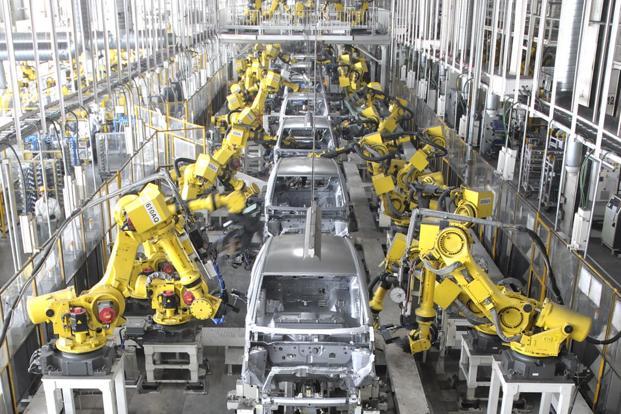
Years ago, the church began to go through a process of ‘industrialization’. Churches streamlined everything: Bible studies, Sunday school, and so on. Everything was packaged to simplify the process and make it more “accessible”. Sunday school classes have their curriculum all written out. Bible studies used catchy slogans to be easily memorable (WWJD is a great example of this).
Industrial Christian

It makes sense. We live in an industrial country, so why not industrialize the church. It makes everything simpler and easer. Teachers are less intimidated by leading. Students can walk away with a catchy phrase or saying to remember the point of the lesson. Win-win.

Here’s the problem:

Disciples aren’t mass produced:
They’re hand crafted.

Continue reading

Citizens of nowhere…

Daniel, the man in the bible who famously was saved from being eaten by lions, was a man in exile. He was raised in one culture (Jewish) and living in another (Babylonian). Daniel was faced with the difficult task of living in both. If Daniel lived entirely into his Jewish culture, he would have been killed before having any impact. If he had given into the Babylonian culture, God would not have blessed him.

Daniel was in exile – living in between two places, and ultimately living ‘nowhere’.

exiled_to_nowhere_02

A lot of young Christians are like Daniel, living in between two worlds. A lot of millennials feel like they’re in ‘exile’.

Continue reading

Bait and switch…

There was a deli/corner grocery store where I grew up named ‘Troutwine’s Market’ (I don’t care if they’ve since named it ‘Steve’s). This market had a strategy for attracting customers that went a little like this: They would mark down the price on a few key staples – milk, eggs, bread – lower than the bigger chain stores. Then, they would have a price increase on some other items in the store as a way to offset the costs. It’s a form of ‘bait and switch’. “Come in for our cheap milk (and pay more for the yogurt)”.

It’s something that a lot of churches try to do. Tweak one or two things here and there, but keep the same basic culture everywhere else. Churches want young adults, so they try to draw them in. But they don’t want to change to reach them, so they try to preemptively compromise.

Donkey and carrot

Continue reading

Falling on our swords…


Tradition can be a powerful tool. If tradition is used right, it can connect us to past generations, teach us important lessons, and serve as a rite of passage into the next stages of our life. Liturgical Christians, like Catholics, Anglicans, and Orthodox have a fantastic grasp on great ways to use tradition well.

I love tradition, when it’s done right.

But tradition can also be overly romanticized and kind of stupid.

Continue reading

You need a bigger fish tank…

620-goldfish-small-bowl-claustrophobia.imgcache.rev1363017034520

Gold fish are often a child’s first pet. They’re low maintenance, inexpensive, and easy to handle. I mean, you need a bowl and some cheap food, just add water and BOOM! You have a pet.

But there’s a fun fact about gold fish that I remember hearing years ago – if you place a small gold fish in a large fish bowl, it will grow to proportionally fit the fish bowl. This means that you can take a fish you win at the fair and watch it grow if you place it in the right environment. (To be fair, I don’t think you can get a bagged gold fish to turn into koi).

This same principle applies to churches. And no, I don’t mean physical buildings (this time). Churches have little ‘fish bowls’ all over the place – little things that stop them from growing any bigger than they already are.

Continue reading